
Among the many artistic traditions of India, Terracotta Arts stands as one of the oldest, most culturally rooted, and spiritually meaningful forms. From prehistoric Harappan pottery to the magnificent Bengal terracotta temples, this art has survived wars, dynasties, climate changes, and modernization—yet continues to thrive in the hands of India’s rural artisans.
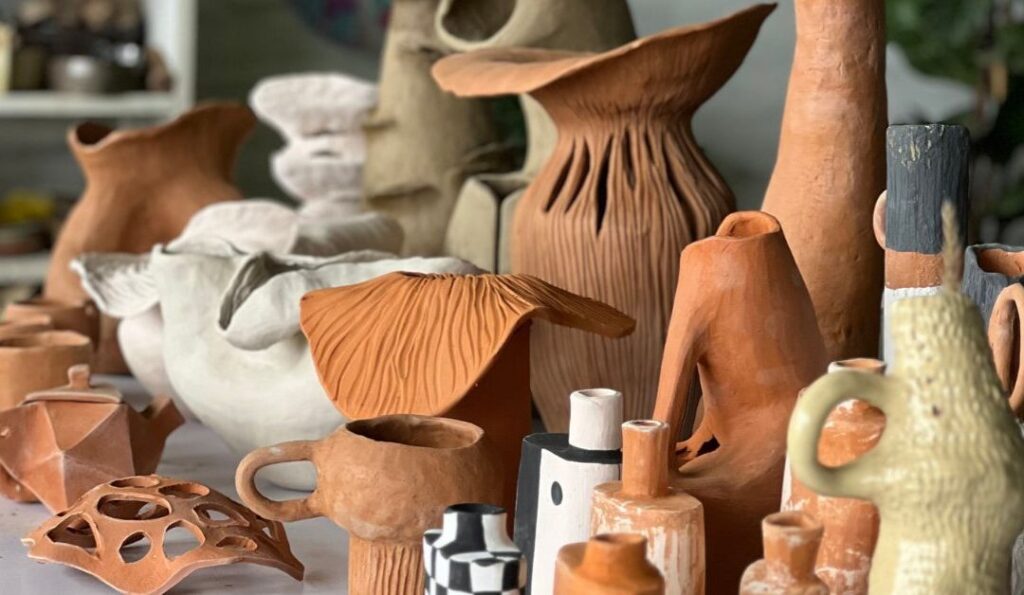
Clay, the simplest and most abundant natural material, becomes a medium of creativity, faith, and identity when shaped by human hands. This is the beauty of Terracotta Arts—an art form where earth transforms into emotion, and everyday objects become expressions of culture.
Blog by MalwaEcocrafts – In this you explore the history, evolution, techniques, symbolism, regional diversity, and modern relevance of Terracotta Art in India.
1. Origins: Terracotta Arts in the Indus Valley Civilization (3300–1300 BCE)

The earliest traces of Terracotta Art in India emerge from the Indus Valley Civilization, one of the world’s first urban cultures.
Key Highlights of Harappan Terracotta arts
- Clay figurines of the Mother Goddess
- Detailed animal figurines
- Toy carts, whistles, rattles
- Handcrafted pottery with geometric and nature-inspired motifs
- Small terracotta seals and beads
These objects show that Terracotta Art was not only artistic but also practical—used in rituals, daily life, and even trade.
Harappans mastered:
- Kiln firing
- Slip coating
- Incised decorations
Even today, modern Indian potters follow many of these ancient methods, showing how deeply Terracotta Art is woven into Indian heritage.
2. Terracotta arts During the Vedic & Mahajanapada Era

Between 1500 BCE and 600 BCE, Terracotta Art expanded across villages and tribal settlements.
Characteristics of This Era
- Simple hand-molded icons
- Clay pots for cooking and storage
- Figurines used for worship and rituals
- Tribal symbols and primitive motifs
The shift from nomadic to agrarian societies increased the need for terracotta vessels, leading to rapid development in Terracotta Art.
3. Golden Age: Mauryan & Shunga Terracotta Arts (322–72 BCE)
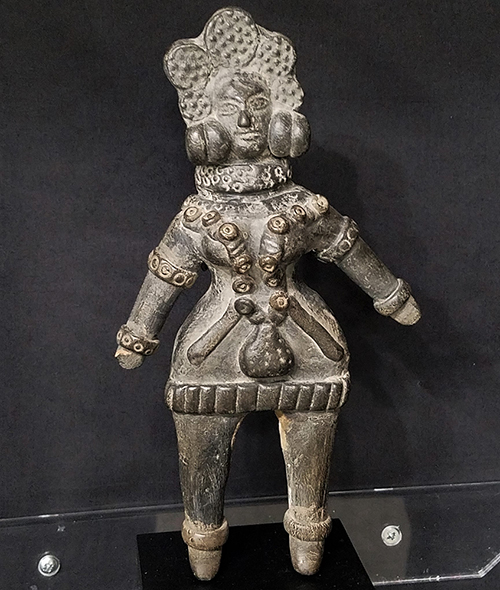
The Mauryan and Shunga periods mark a major artistic refinement.
Mauryan Terracotta Features
- Polished surfaces
- Stylized female dolls
- Decorative plaques
- Facial expressions with sophistication
Shunga Terracotta Innovations
- Introduction of mould-making
- More naturalistic figures
- Scenes from everyday life and mythology
- Highly detailed ornaments and drapery
Terracotta Art flourished during these centuries due to royal patronage and the growth of urban settlements.
4. Terracotta Arts in the Gupta Period (320–600 CE)
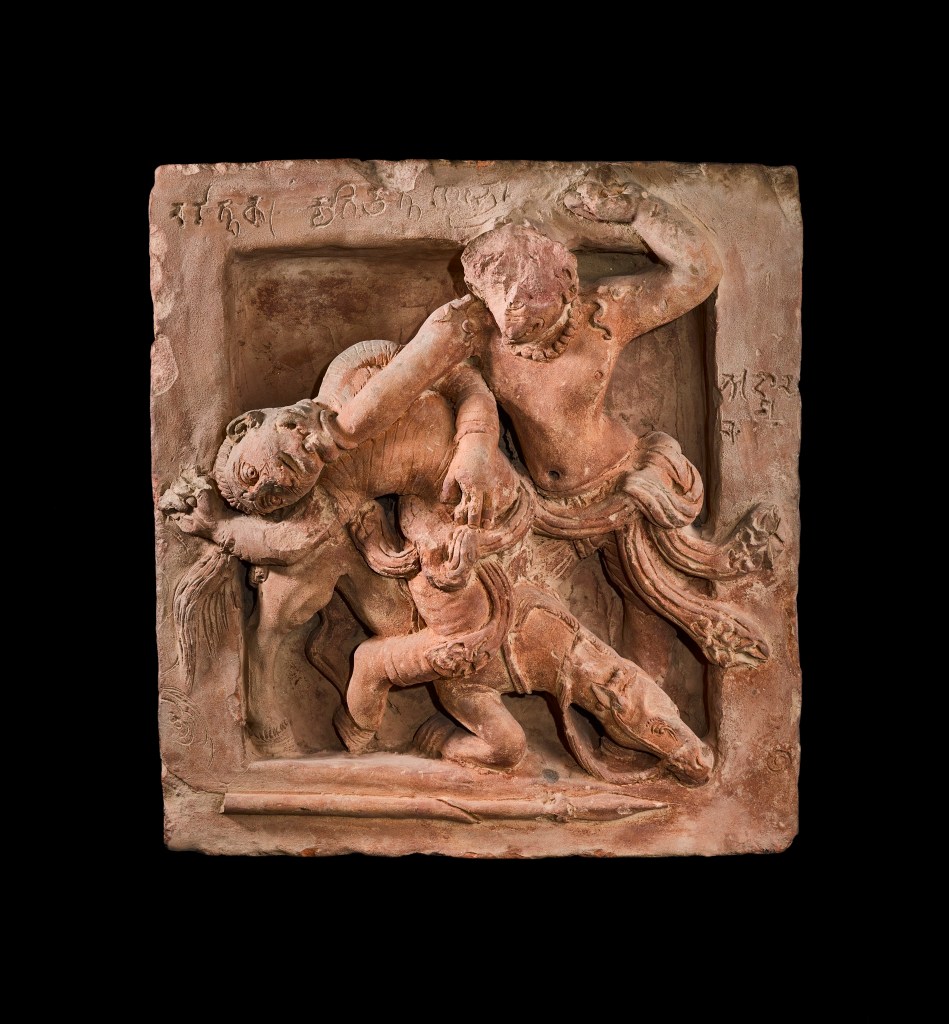
Often called the Classical Age of Indian Art, the Gupta period produced some of the finest Terracotta Art pieces ever found.
Distinctive Elements
- Elegant, refined figures
- Architectural terracotta panels
- Scenes from epics like Ramayana & Mahabharata
- Ornamentation with great attention to symmetry
The Gupta-era Bhitargaon Temple, made entirely of terracotta bricks, is a prime example of how Terracotta Art shaped Indian architecture.
5. Medieval Revival: Bengal’s Terracotta Temples (16th–19th Century)

The most iconic period in the history of Terracotta Art is the Bengal Terracotta Temple era.
Why Bengal Became the Hub
- Clay-rich soil
- Patronage by Malla kings
- Artistic influence from local folk traditions
- Lack of stone in the region
Features of Bengal Terracotta Temples
- Mythological carvings
- Floral & geometric patterns
- War scenes, village life, and dancing figures
- Famous temples: Rasmancha, Jorbangla, Madan Mohan

The iconic Bankura Horse, now a symbol of Indian handicrafts, emerged from this region and represents the excellence of Terracotta Art.
6. Regional Variations of Terracotta Arts Across India
Terracotta Art appears in nearly every Indian state, each with its unique style.
a) Rajasthan
- Clay idols for worship
- Decorative pottery
- Large terracotta horses and camels
b) Gujarat
- Tribal terracotta masks
- Ritual figurines and bells
- Rural pottery traditions
c) Tamil Nadu
- Massive Ayyanar terracotta horses
- Protective village deities crafted in clay

d) Odisha
- Terracotta panels in temples
- Folk toys and votive figures
e) Uttar Pradesh
- Terracotta bricks
- Decorative household items
- Gupta-era influence in modern craft
Each region adds new life to Terracotta Art, keeping tradition alive in diverse forms.
7. Techniques Used in Terracotta Arts
Indian artisans follow techniques passed down for thousands of years.
Step-by-Step Crafting Process
- Clay Preparation – Soaking, filtering, and kneading
- Shaping – Hand-molding, wheel-throwing, or mould-casting
- Detailing – Carving, stamping, applying slips
- Drying – Natural drying under sunlight
- Firing – Kilns, open fires, or pit firing
- Finishing – Polishing, painting, or leaving it natural
Terracotta Art requires patience, precision, and an emotional connection to soil—qualities inherited through generations of artisans.
8. Cultural and Ritual Importance of Terracotta Arts
Terracotta Art is deeply spiritual in India.
Cultural Roles
- Used in village rituals
- Clay idols for festivals (Durga Puja, Diwali, Ganesh Chaturthi)
- Votive offerings to local deities
- Decorative objects in rural households
Clay is seen as pure, natural, and sacred, symbolizing fertility, prosperity, and protection.
9. Terracotta Arts in Modern India
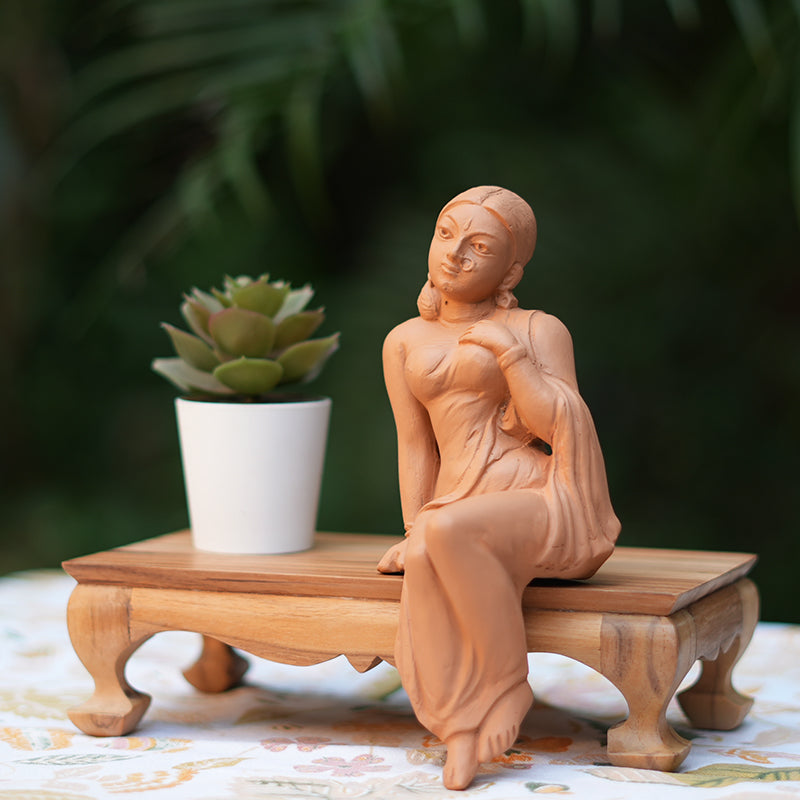
As the world embraces sustainable living, Terracotta art has found new relevance.
Modern Uses
- Home décor (lamps, vases, planters, sculptures)
- Garden accessories
- Eco-friendly terracotta cookware
- Terracotta jewelry
- Architectural tiles & wall panels
Why Modern Consumers Prefer Terracotta
- Natural and biodegradable
- Chemical-free
- Aesthetic and timeless
- Keeps homes cool
- Sustainable & environment friendly
Brands, interior designers, and architects increasingly use Terracotta Art to create earthy, rustic, and eco-friendly spaces.
10. Economic Importance: Terracotta Arts
and Rural India
Terracotta Art supports millions of artisans.
Its economic significance includes:
- Employment for rural families
- Support for small-scale handicraft industries
- Export opportunities for Indian handicrafts
- Tourism growth in craft clusters like Bishnupur, Kutch, and Khurja
Terracotta Art is not merely an artistic tradition—it is a livelihood for countless communities.
11. Challenges Faced by Terracotta Artisans
Despite its beauty and heritage value, Terracotta art faces challenges:
- Lack of modern equipment
- Low wages for artisans
- Competition from machine-made products
- Limited access to digital markets
- Seasonal demand
- Rising cost of firing materials
Government schemes, NGOs, and digital platforms are helping artisans survive in a competitive world, but much more support is needed.
12. Future of Terracotta arts in India
The future looks promising as:
- Eco-friendly décor becomes trendy
- Terracotta architecture grows
- Global consumers prefer sustainable products
- Online marketplaces expand artisan reach
Terracotta Art holds potential to become a global symbol of Indian craftsmanship and sustainability.
13. Conclusion
Terracotta Art is more than an ancient craft—it is a living heritage that continues to evolve. From the Harappans to modern urban homes, Terracotta Art has retained its earthy charm and cultural importance. As India moves toward sustainable living, this art form is gaining renewed respect and admiration.
By supporting Terracotta art, we are protecting:
- History
- Culture
- Environment
- Livelihoods
Terracotta art remains a timeless reminder that beauty can come from the simplest elements: earth, water, fire, and human imagination.