
Sustainable Living: 25 Proven Habits for a Greener Life
Introduction: Why a Greener Life Starts With Daily Habits
The idea of living in harmony with nature is no longer optional—it has become essential. Climate change, pollution, resource depletion, and lifestyle-related health issues are all reminders that the way we live today directly shapes the world of tomorrow. This is where sustainable living becomes more than a concept; it becomes a practical, everyday approach to life.
Rather than drastic changes or expensive solutions, a greener life is built on small, consistent habits. When practiced daily, these habits reduce environmental impact, improve personal well-being, and create a more mindful connection with nature.
This guide explores 25 proven habits that help you adopt a greener lifestyle in a realistic, balanced, and long-term way—without pressure or perfection.
Understanding the Meaning of a Greener Lifestyle
Before diving into habits, it’s important to understand what a greener lifestyle truly means. It is not about giving up comfort or modern convenience. Instead, it focuses on:
- Conscious consumption
- Respect for natural resources
- Long-term thinking
- Balance between needs and wants
At its core, sustainable living is about making choices that meet present needs while protecting future generations.
Habit 1: Practice Conscious Consumption
One of the most powerful habits for a greener life is buying only what you truly need. Every product has an environmental cost—raw materials, water, energy, packaging, and transportation.
Before purchasing anything, ask:
- Do I need this?
- Will I use it long-term?
- Is there a reusable or natural alternative?
Conscious consumption reduces waste at the source and supports ethical production systems.
Habit 2: Reduce, Reuse, Then Recycle

Recycling is important, but it should always be the last step, not the first. The most effective approach is:
- Reduce unnecessary items
- Reuse what you already own
- Recycle responsibly
This simple hierarchy is a foundational principle of sustainable living, helping minimize waste generation rather than managing waste later.
Habit 3: Choose Natural Materials Over Synthetic Ones
Natural materials are biodegradable, breathable, and safer for both health and the environment. Whenever possible, choose:
- Cotton instead of polyester
- Clay instead of plastic
- Wood instead of engineered boards
- Glass instead of disposable packaging
These materials return safely to nature at the end of their life cycle.
Habit 4: Build a Minimalist Mindset
Minimalism is not about owning nothing—it’s about owning enough. A minimalist mindset reduces overconsumption, clutter, and mental stress.
Benefits include:
- Fewer impulse purchases
- More organized living spaces
- Lower environmental impact
Minimalism supports sustainable living by encouraging quality over quantity.
Habit 5: Adopt Energy-Saving Practices at Home
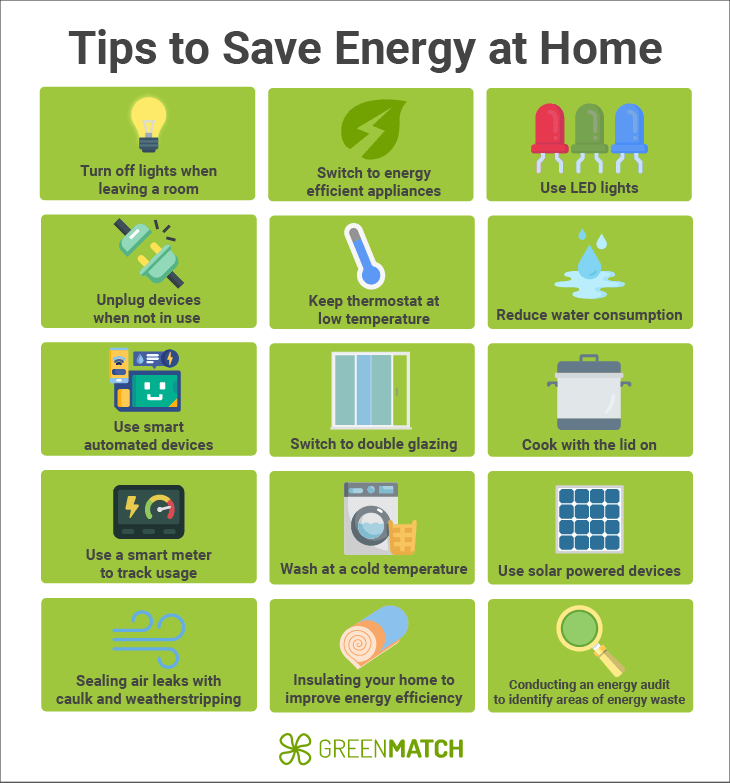
Energy conservation is one of the most impactful habits for a greener life. Simple actions include:
- Switching off unused appliances
- Using LED bulbs
- Allowing natural light and ventilation
- Air-drying clothes
These practices reduce carbon emissions and lower electricity bills at the same time.
Habit 6: Be Mindful of Water Usage
Fresh water is a limited resource. Small changes in daily routines can save thousands of liters annually:
- Use bucket baths instead of long showers
- Turn off taps while brushing
- Reuse water for plants and cleaning
- Fix leaks immediately
Water mindfulness is a key pillar of sustainable living, especially in water-stressed regions.
Habit 7: Eat Local and Seasonal Foods
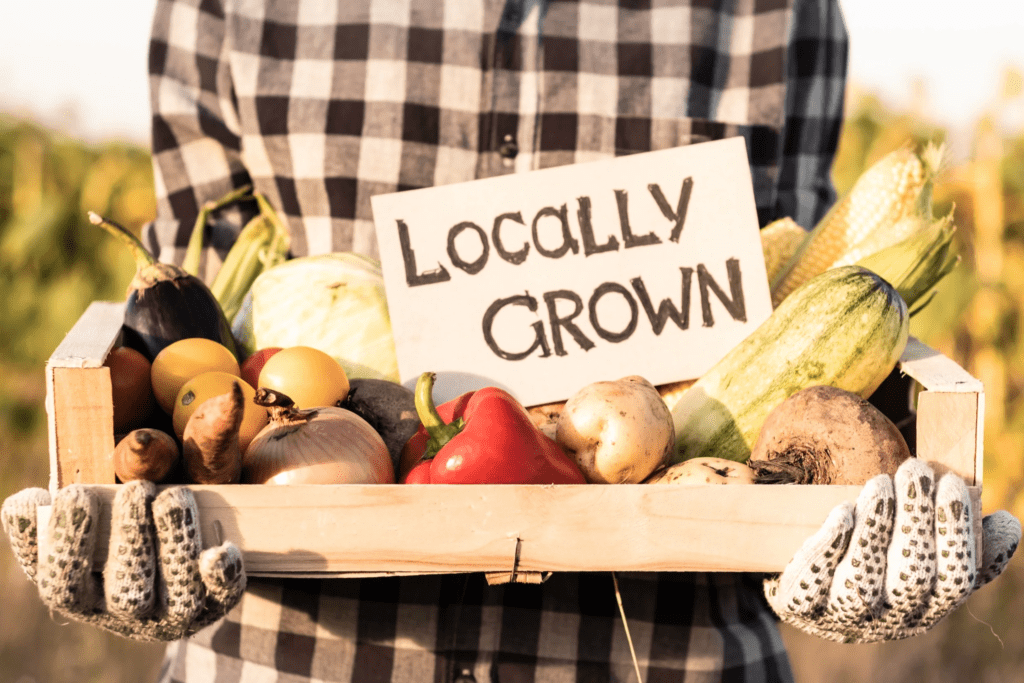
Food choices have a significant environmental footprint. Eating local and seasonal foods:
- Reduces transportation emissions
- Supports local farmers
- Preserves soil health
- Improves nutrition
Seasonal eating naturally aligns human habits with nature’s cycles.
Habit 8: Reduce Food Waste
Nearly one-third of all food produced globally is wasted. You can reduce food waste by:
- Planning meals in advance
- Storing food correctly
- Using leftovers creatively
- Composting organic waste
Reducing food waste is one of the simplest yet most effective sustainable living practices.
Habit 9: Use Eco-Friendly Cookware and Utensils
The kitchen is a powerful starting point for greener habits. Prefer:
- Clay and cast-iron cookware
- Steel or glass storage containers
- Wooden or bamboo utensils
Avoid single-use plastics and chemical-coated cookware whenever possible.

Habit 10: Choose Plant-Forward Meals
You don’t need to give up all animal products to make a difference. Simply increasing plant-based meals reduces:
- Greenhouse gas emissions
- Water usage
- Land exploitation
Even a few plant-focused meals per week contribute positively to sustainable living goals.
Habit 11: Create a Zero-Waste Mindset
Zero-waste is a journey, not a destination. Start with simple actions:
- Carry reusable bags and bottles
- Avoid disposable packaging
- Repair items instead of replacing them
Over time, these choices become second nature.
Habit 12: Compost Organic Waste
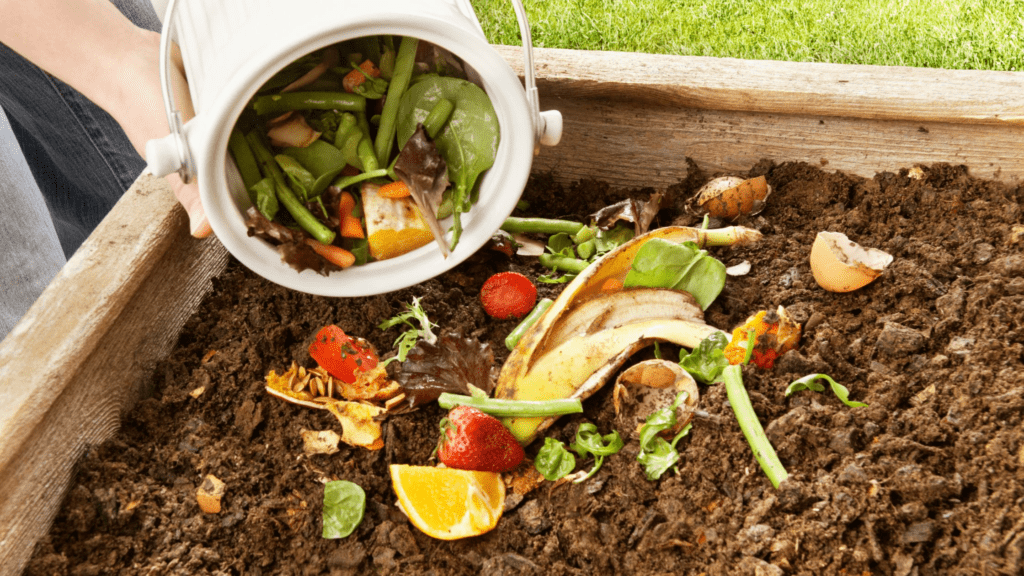
Composting turns kitchen waste into nutrient-rich soil instead of landfill waste. Benefits include:
- Reduced methane emissions
- Improved soil fertility
- Healthier plants
Composting closes the natural loop of consumption and regeneration.
Habit 13: Use Natural Cleaning Alternatives
Most commercial cleaners contain harsh chemicals that pollute water systems. Natural alternatives include:
- Vinegar
- Baking soda
- Lemon
- Soapnut
These options are safe, affordable, and effective—aligning perfectly with sustainable living values.
Habit 14: Create an Eco-Friendly Bathroom Routine
Bathrooms generate significant plastic and water waste. Greener alternatives include:
- Bar soaps instead of liquid bottles
- Bamboo toothbrushes
- Refillable containers
- Reduced water usage
Small changes here create a big impact over time.
Habit 15: Support Slow and Ethical Fashion

Fast fashion is one of the most polluting industries. Instead:
- Buy fewer, better-quality clothes
- Choose natural fabrics
- Support handmade and ethical brands
- Repair and reuse garments
Fashion choices directly influence environmental and social systems.
Habit 16: Practice Thoughtful Transportation
Transportation contributes heavily to emissions. Reduce impact by:
- Walking or cycling short distances
- Using public transport
- Carpooling when possible
Even small adjustments in travel habits support sustainable living efforts.

Habit 17: Embrace Slow Travel
Slow travel focuses on meaningful experiences rather than frequent trips. Benefits include:
- Lower carbon footprint
- Deeper cultural connection
- Reduced consumption
Travel becomes more enriching and less harmful.
Habit 18: Reduce Digital and Paper Waste
Digital clutter also consumes energy. Practice:
- Paperless documentation
- Reduced screen time
- Responsible device usage
Mindful digital habits are an often-ignored aspect of sustainable living.
Habit 19: Create Green Spaces at Home
Plants improve air quality, mental health, and biodiversity. Even small spaces can support greenery through:
- Balcony plants
- Indoor herbs
- Vertical gardens
Green spaces reconnect daily life with nature.
Habit 20: Teach Eco Values to Children
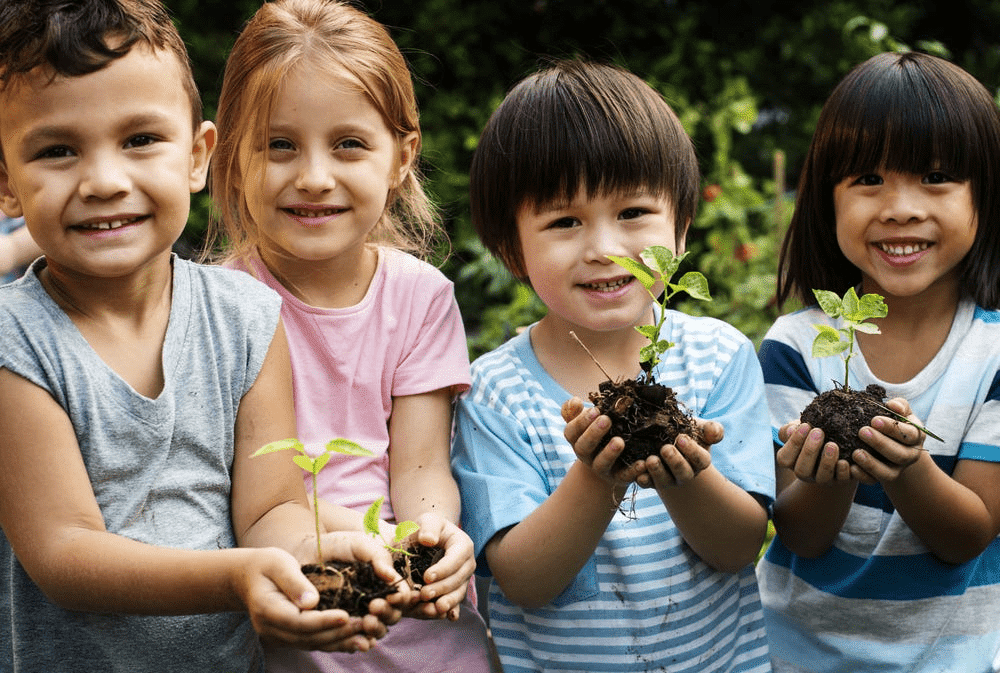
Children learn best through example. Simple lessons include:
- Waste segregation
- Water conservation
- Gardening activities
Teaching sustainability early builds responsible future citizens.
Habit 21: Support Local and Handmade Products
Local products require less transportation and often preserve traditional skills. Supporting them:
- Strengthens local economies
- Reduces emissions
- Encourages ethical production
This habit reinforces the community aspect of sustainable living.
Habit 22: Practice Financial Mindfulness
A greener life often leads to financial savings through:
- Reduced impulse buying
- Lower utility bills
- Fewer replacements
Mindful spending aligns personal finances with environmental responsibility.
Habit 23: Prioritize Mental and Emotional Well-Being
Overconsumption often stems from stress and dissatisfaction. Practices like:
- Nature walks
- Meditation
- Gratitude
Reduce unnecessary consumption and support balanced living.
Habit 24: Participate in Community Eco Efforts
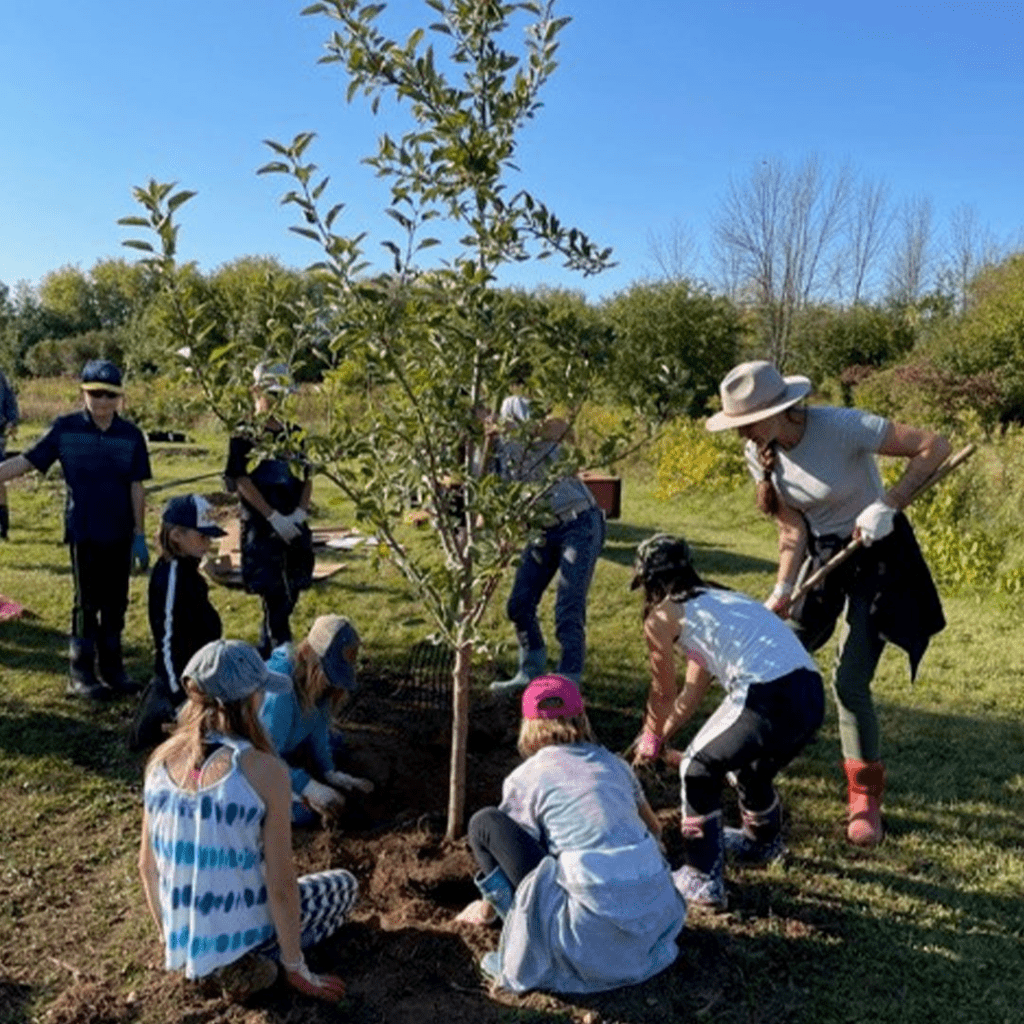
Sustainability grows stronger collectively. Participate in:
- Clean-up drives
- Tree planting
- Community composting
Shared action amplifies individual efforts in sustainable living.
Habit 25: Commit to Continuous Improvement
A greener life is not about perfection. It’s about:
- Learning continuously
- Improving gradually
- Staying consistent
Each small improvement compounds over time.
Conclusion: A Greener Life Begins With Intentional Choices
Living greener is not about dramatic sacrifices—it’s about daily intention. By adopting these 25 proven habits, you align your lifestyle with nature’s rhythms while improving your own quality of life.
Sustainable living is not a destination; it is a lifelong journey of awareness, responsibility, and balance. When practiced imperfectly but consistently, it becomes one of the most meaningful contributions you can make—to yourself, your community, and the planet.
For more stories rooted in earth, tradition, and handmade beauty, follow Malwa Ecocrafts on Instagram.
- Read more about how tradition, clay, and culture come together at Malwa Ecocrafts