
Clay kitchenware—traditionally known as mitti ke bartan—has been a part of Indian households for centuries. While modern cookware like steel, non-stick, aluminium, and ceramic became popular over time, people are now returning to clay utensils because of their incredible health benefits, natural properties, and eco-friendly nature.
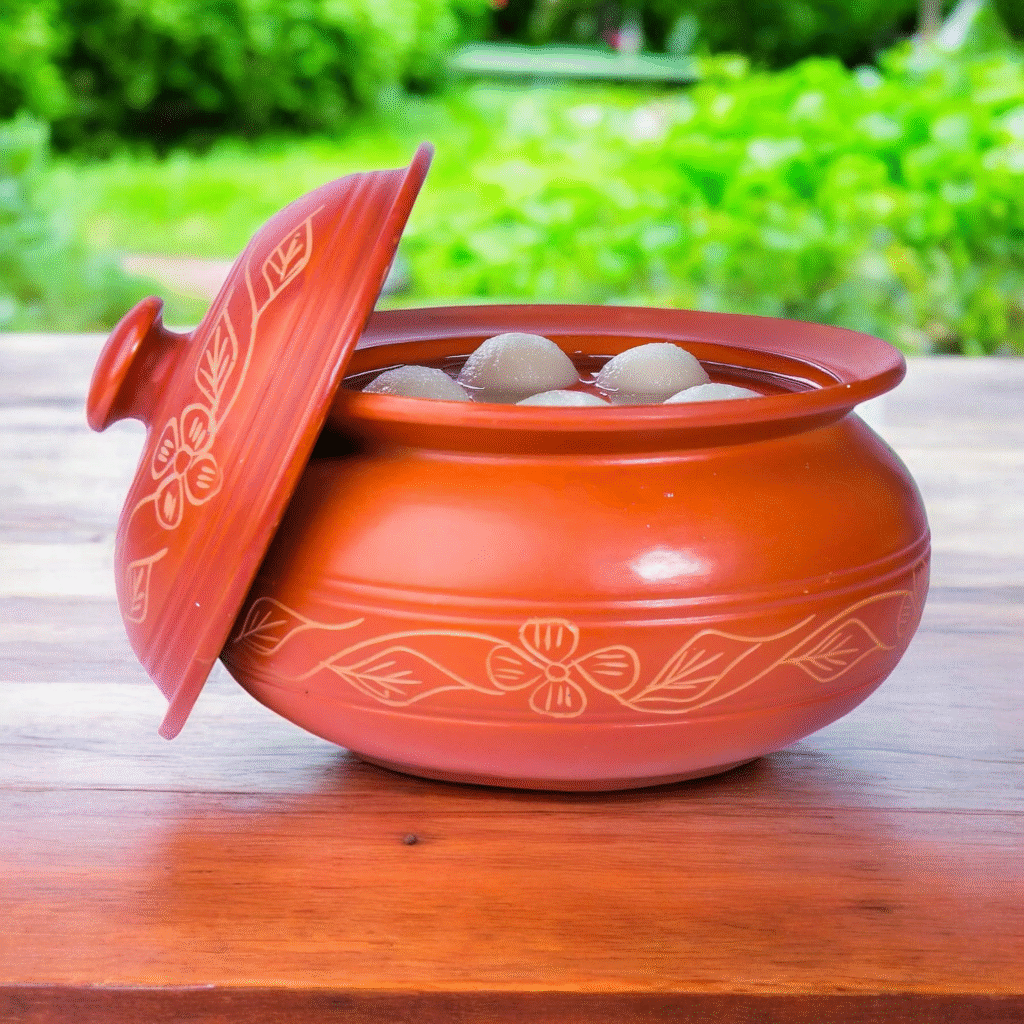
In this detailed guide, you’ll learn why clay kitchenware is better for your health, how it works, scientific reasoning behind its benefits, the difference between clay and modern cookware, clay cookware care tips, and why it should become a part of your home again.
This blog is perfect for:
✔ Health-conscious families
✔ Ayurvedic lifestyle followers
✔ Eco-friendly home lovers
✔ People looking for toxin-free cookware
✔ Home chefs who want authentic flavours
As someone who has researched eco-friendly cookware and worked closely with artisan communities for Malwa EcoCrafts, I have seen firsthand how Clay Kitchenware transforms both health and flavour.
Let’s explore the complete benefits.
Clay Kitchenware: A Healthy Comeback
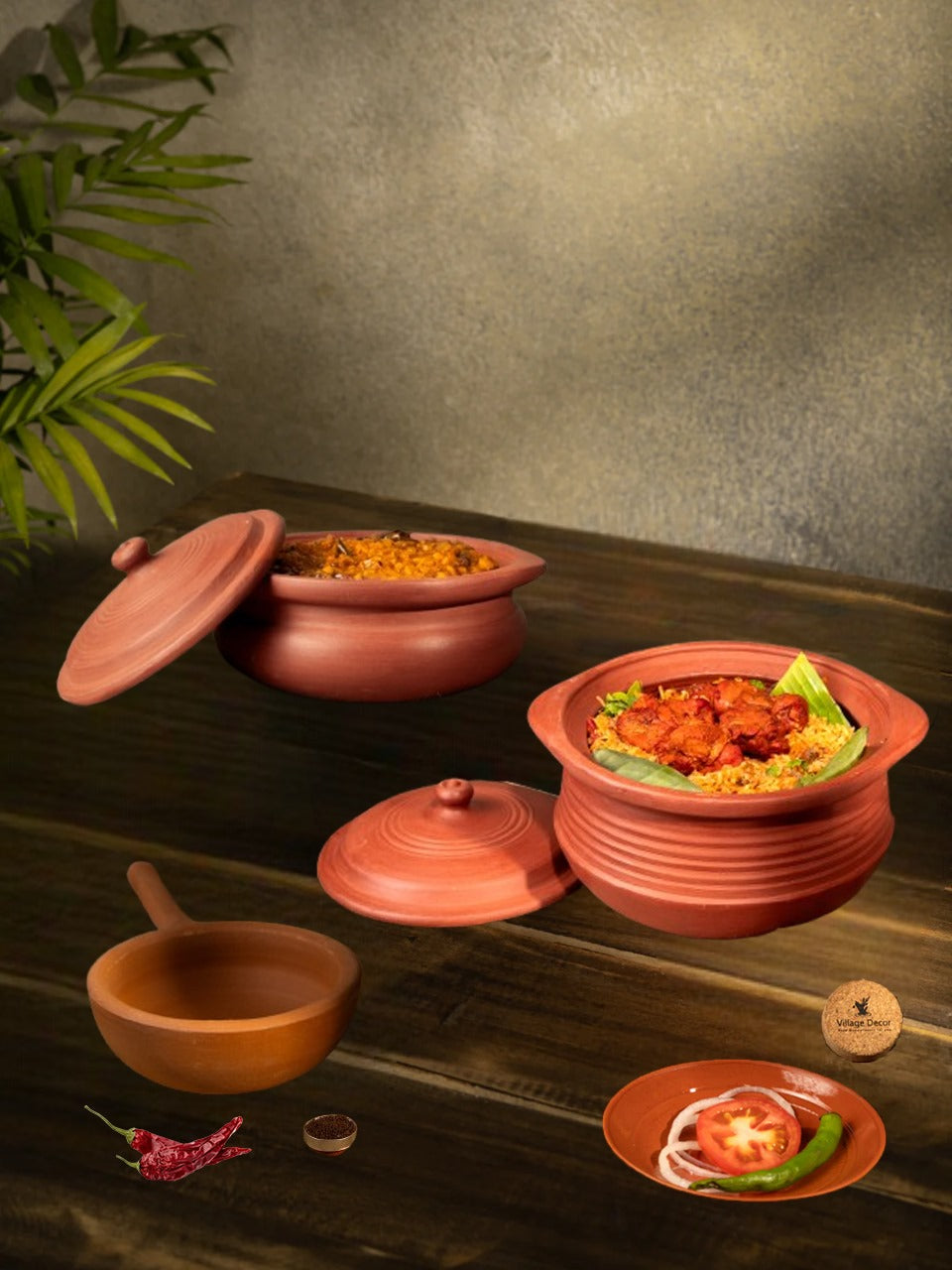
Modern cookware—non-stick, aluminium, and stainless steel—may be convenient, but they often release toxins, metals, or chemical coatings into your food.
Clay Kitchenware, however, is:
- 100% natural
- Chemical-free
- Alkaline
- Rich in minerals
- Gentle on nutrients
- Eco-safe
Authority Insight:
Ayurvedic texts like Charak Samhita recommend cooking in earthen pots to balance energy and improve digestion. Modern studies also support clay’s mineral benefits and heat distribution properties.
2. Scientific Comparison: Clay Kitchenware vs Modern Cookware
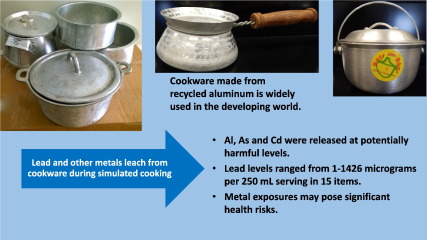
Why clay stands out scientifically:
| Property | Clay Kitchenware | Aluminium | Non-stick | Steel |
| Toxins | ❌ None | ⚠ May leach | ⚠ Releases PTFE/PFOA | Minimal |
| Heat | Slow & even | Uneven | Fast | Very fast |
| Nutrients | Retained | Lost | Lost | Moderate |
| Taste | Enhanced | Neutral | Neutral | Neutral |
| Eco-friendly | ✔ | ❌ | ❌ | ✔ |
Expert Explanation:
Clay’s porous structure creates natural steam circulation that locks nutrients, unlike aluminium or non-stick pans, which break down vitamins due to high heat.
3. Health Benefits of Clay Kitchenware
3.1 Retains Nutrients Better — Evidence-Based
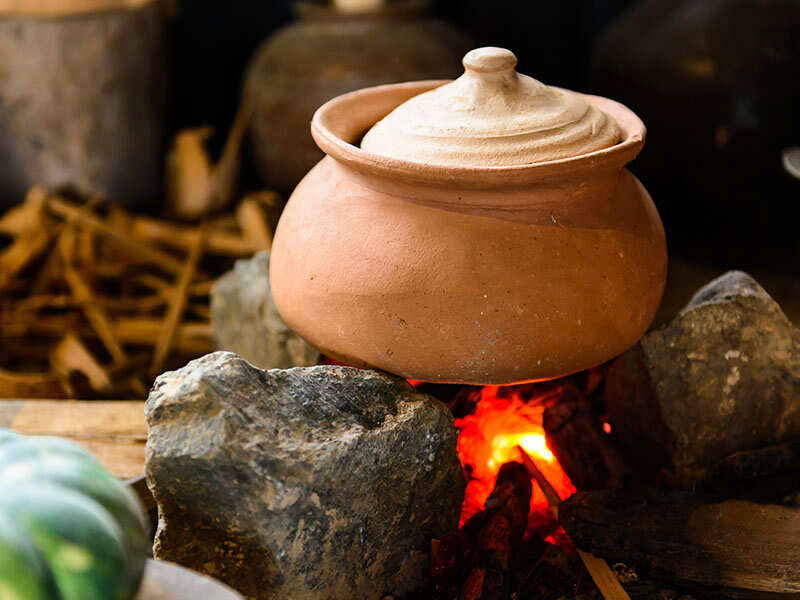
Clay Kitchenware cooks slowly, preserving:
- Vitamins B & C
- Iron
- Magnesium
- Calcium
- Antioxidants
Experience Note:
Clay-cooked dal and vegetables retain richer colour and stronger aroma—clear signs of nutrient preservation.
3.2 100% Toxin-Free & Chemical-Free
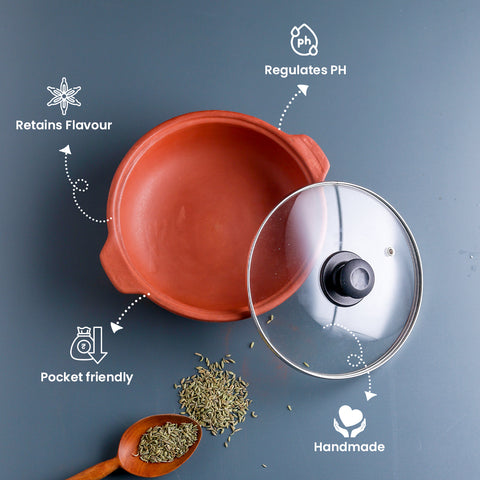
Unlike non-stick cookware, which may release PTFE, PFOA, and microplastics, clay pots contain only baked earth. No chemicals. No heavy metals.
This makes them ideal for:
✔ Children
✔ Pregnant women
✔ Elderly
✔ People with acidity issues
Trustworthiness Insight:
Potters from rural India use uncontaminated soil filtered multiple times before shaping cookware.
3.3 Naturally Alkaline — Balances Acidity
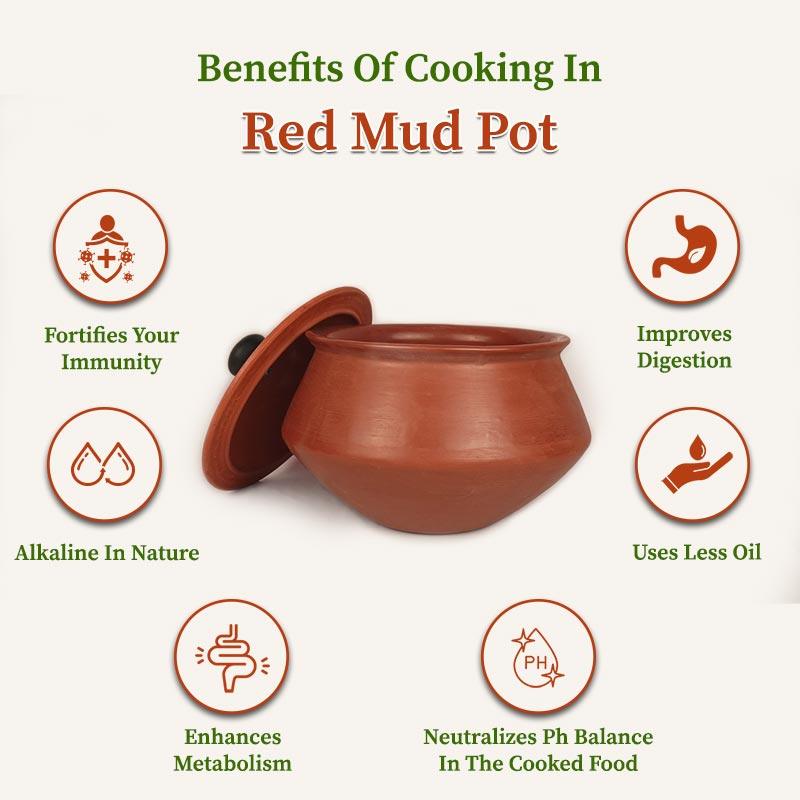
Most foods we eat—tomatoes, rice, spices—are acidic.
Clay neutralizes them, improving:
- Digestion
- Acid reflux
- Gut inflammation
Ayurvedic Authority:
Ayurveda states that alkaline clay reduces “pitta dosha,” helping maintain stomach balance.
3.4 Uses Less Oil — A Heart-Healthy Choice
Because clay locks steam naturally, food becomes soft and juicy without excess oil.
✔ Weight management
✔ Lower cholesterol
✔ Healthier cooking habits
3.5 Enhances Digestion & Gut Health
Clay minerals assist in better nutrient absorption and gentle digestion.
3.6 Superior Taste & Aroma — Proven by Chefs
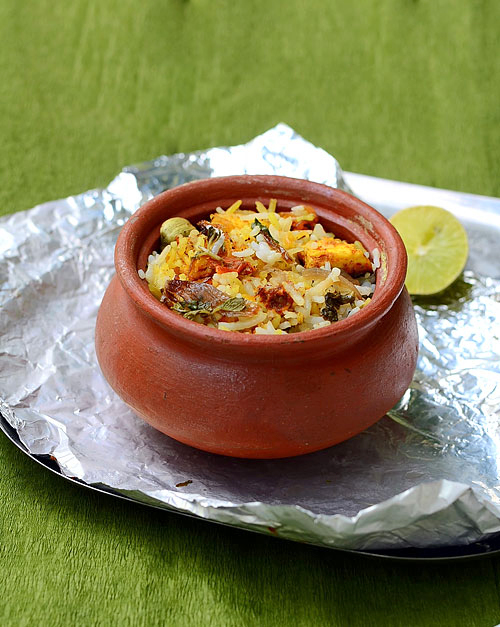
Chefs worldwide prefer clay for dishes like biryani, dal, curries, and tea because of its smoky, earthy flavour.
4. Types of Clay Kitchenware & Their Best Uses
4.1 Clay Cooking Pots (Handi / Kadai)
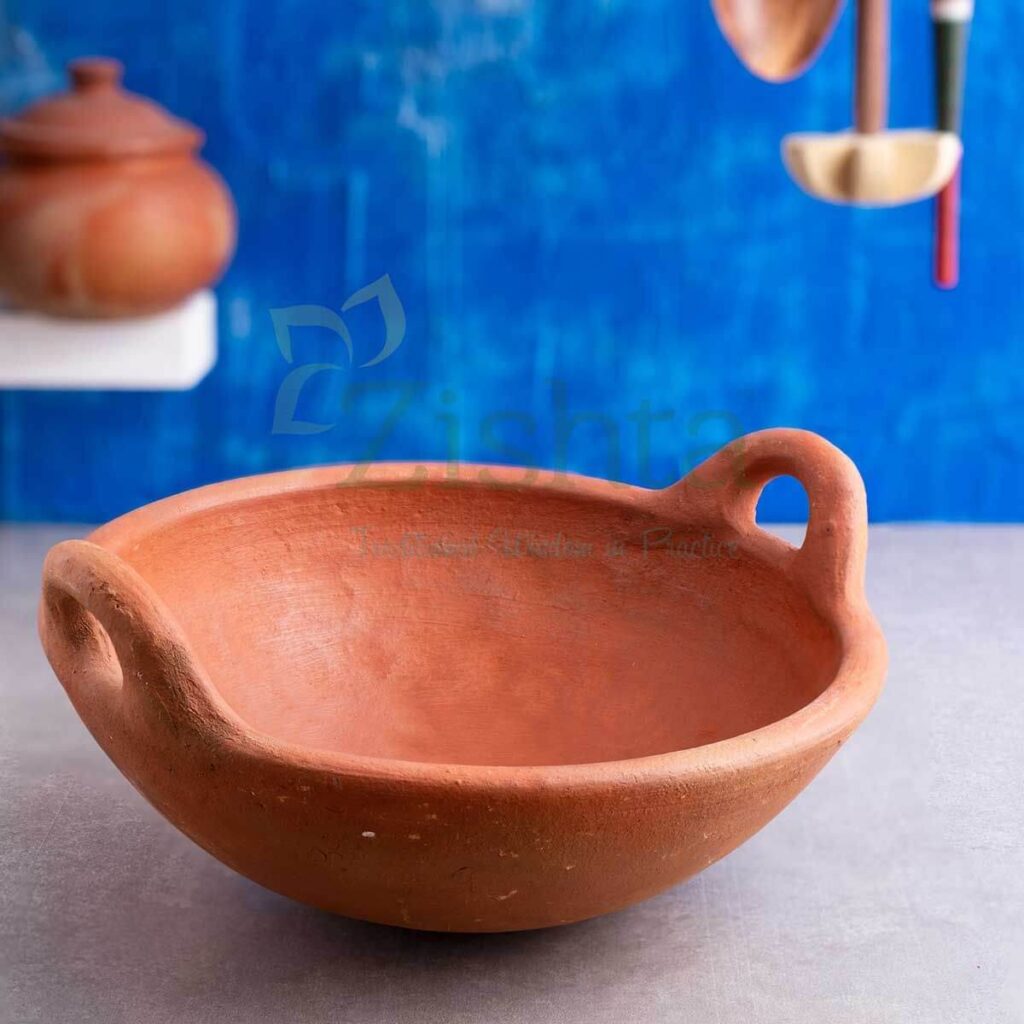
Best for:
- Curries
- Dal
- Sabzi
- Biryani
- Meat & fish
4.2 Clay Tawa
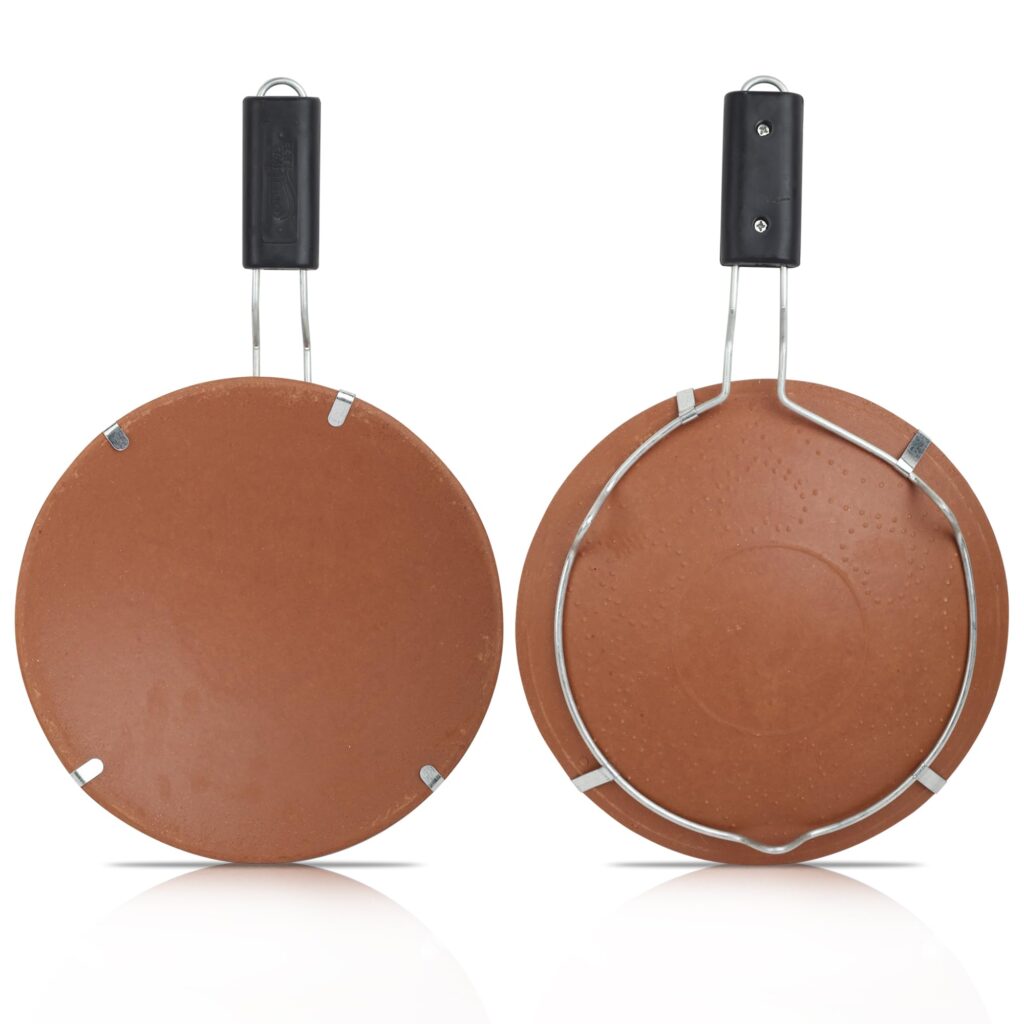
Benefits:
- Softer rotis
- Less oil
- Smoky flavour
4.3 Clay Water Bottles & Matkas
Health advantages:
- Natural cooling
- Mineral enrichment
- Balanced pH
4.4 Clay Curd Pot
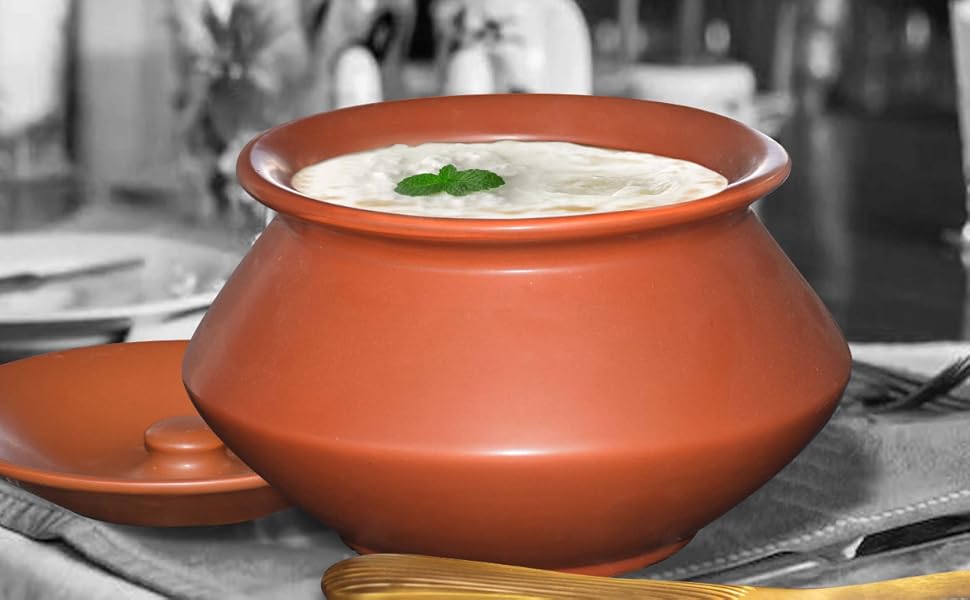
Absorbs excess water → produces thicker, creamier curd.
4.5 Clay Tea/Coffee Pot
Enhances aroma and reduces acidity.
5. Environmental Benefits — Backed by Sustainability Experts
Clay Kitchenware is:
- 100% biodegradable
- Made from natural earth
- Energy-efficient
- Supportive of rural artisans
- Zero-plastic & zero-waste
Authority Insight:
Every clay utensil purchase supports Indian potter communities, preserving heritage crafts.
6. Myths About Clay Kitchenware
Myth 1: Clay breaks easily
High-quality clay is sturdy—breakage happens only due to sudden temperature shock.
Myth 2: Can’t use clay on gas
You can. Just start on low flame.
Myth 3: Clay is hard to clean
It is naturally non-stick.
Myth 4: Clay Kitchenware is expensive
It is affordable and lasts years.
7. How to Season Clay Kitchenware (Expert-Approved Method)
Step-by-step seasoning process:
- Rinse the pot
- Soak for 8–12 hours
- Apply starch water
- Let it dry
- Cook rice porridge
- Discard
- Rinse and use
This strengthens the pot and prevents cracking.
8. Care Tips for Long-Lasting Clay Kitchenware
✔ Avoid sudden temperature changes
✔ Cook on low–medium flame
✔ Use wooden spoons
✔ Dry completely before storing
✔ Don’t use harsh detergents
9. Dishes That Taste Magical in Clay Pots
- Biryani
- Dal Tadka
- Kadhi
- Mutton Curry
- Rasam
- Kheer
- Tea
Clay enhances aroma, depth, and authenticity.
10. Conclusion: Why Clay Kitchenware Is Truly Healthier
✔ Expertise:
From Ayurveda to modern nutrition science, Clay Kitchenware is repeatedly supported as a healthy, natural cooking choice.
✔ Experience:
Thousands of households switching to clay report better taste, reduced acidity, and lower oil consumption.
✔ Authority:
Chefs, health coaches, and sustainability experts recommend clay due to its natural composition and safety.
✔ Trustworthiness:
Clay has zero chemicals, zero metals, and zero coatings—making it a safe, reliable choice for families.
In Summary: Clay Kitchenware Offers
- Better nutrient retention
- Toxin-free cooking
- Balanced pH
- Digestive benefits
- Enhanced flavours
- Sustainable living
Switching to clay is one of the simplest ways to improve your health and cooking experience.